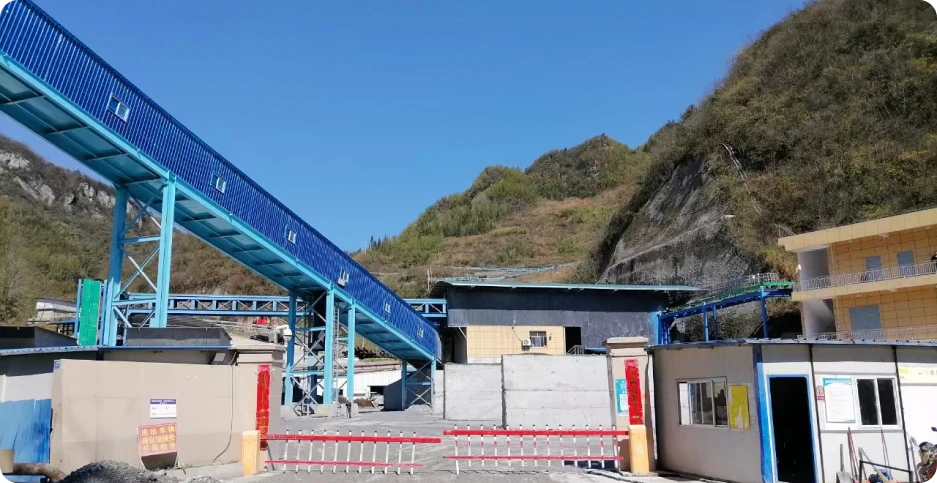

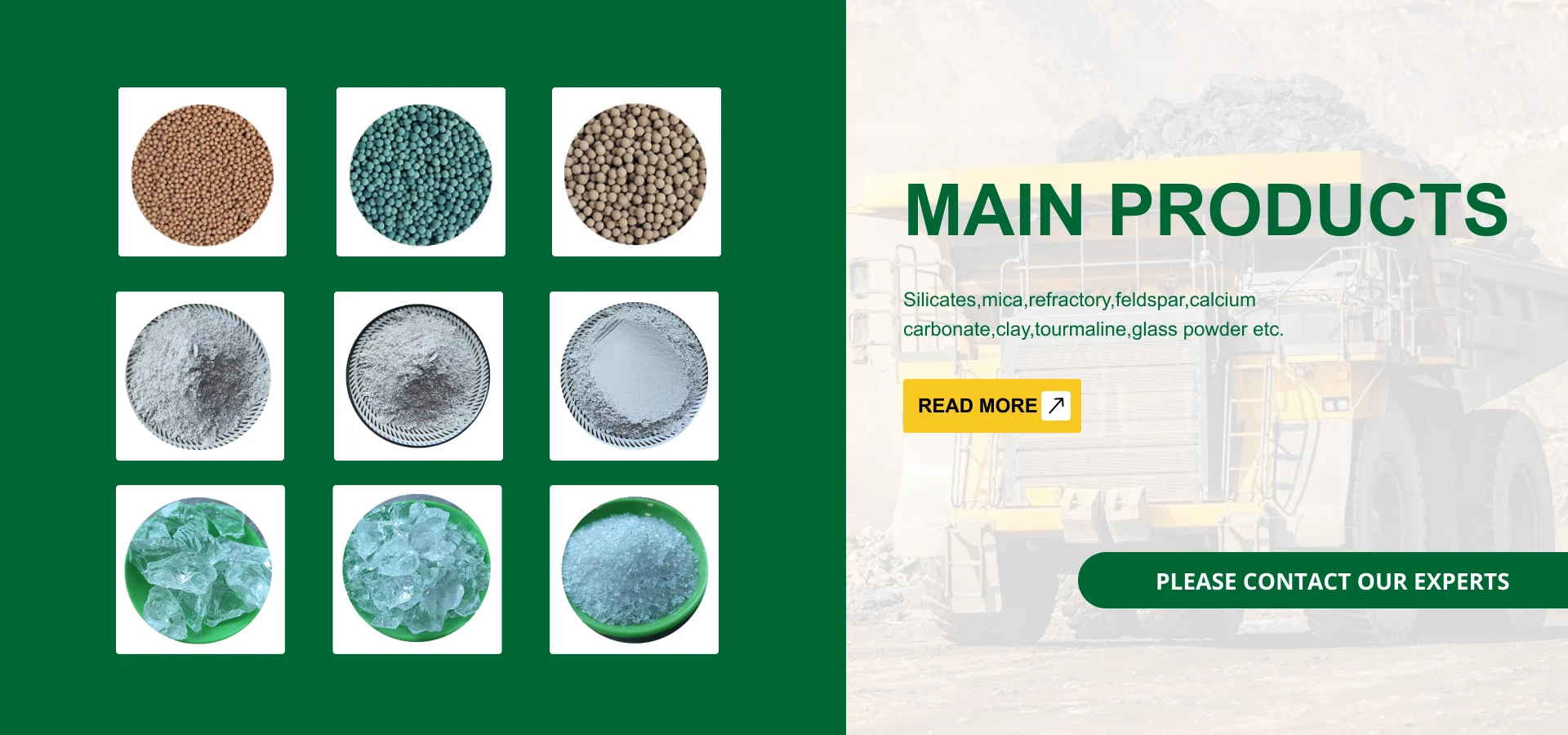
Glass Sand: field notes from real projects and lab data If you work in terrazzo, blasting, landscaping, or pool finishes, you’ve probably bumped into Glass Sand more than once. The batches I’ve been seeing out of Lubai Mountain Village, South Yanchuan, Lingshou County, Shijiazhuang, Hebei, China, have a consistent cut and color pop that specifiers like. And yes, the colors aren’t shy: blue, white, yellow, red, green, pink, purple—granular, clean, and surprisingly uniform. What’s trending (and why it matters) Three currents I keep seeing: recycled content targets, dust control on job sites, and tighter sieving. Contractors want fast cleanup and predictable spread rates; facility owners want verified testing. Glass Sand checks those boxes when it’s washed, low-chloride, and sized correctly. Many customers say the angular profile improves mechanical bonding in resin floors and paver joints—small detail, big difference. Core specifications Sizes (nominal) 1–3 mm, 2–4 mm, 3–6 mm, 6–9 mm Colors Blue, white, yellow, red, green, pink, purple Form Granules (angular) Mohs hardness ≈6 (soda‑lime glass) Bulk density ≈1.4–1.6 g/cm³ (real-world use may vary) Moisture ≤0.5% after drying Chlorides Typically ≤0.01% (washed) Packaging 25 kg bags, 1-ton jumbo; palletized, shrink-wrapped Testing: sieve analysis per ASTM C136; media cleanliness per SSPC‑AB 2; abrasion/blast class per ISO 11126 (non‑metallic abrasives). For water-contact builds, look for NSF/ANSI 61 compliance and AWWA B100 references in submittals. To be honest, paperwork wins bids as much as pretty aggregates. Process flow (factory side) Glass Sand is produced via cullet selection → washing/de-labeling → color sorting → crushing → multi-deck screening → dedusting → 120 °C drying → anti-caking → final QC → packing. QC includes particle-size distribution (C136), loss on drying, chloride check, and visual color sort sampling. Service life: blasting media ≈3–5 cycles; landscaping/terrazzo ≈25+ years; filtration beds ≈5–10 years (backwash dependent). Applications Terrazzo and resin-bound floors (decorative fill, anti-slip) Landscape beds, rooftops, reflective aggregate in coatings Abrasive blasting on steel, concrete, stone Pool plasters and aquariums (verify NSF/ANSI 61 if needed) Water filtration top layers (check AWWA/NSF specs) Why spec it Colorfast, inert, low free silica dust vs. quartz sands Angular profile boosts traction and mechanical key Consistent PSD improves spread rate and finish texture Feedback? Contractors report quicker cleanup and fewer nozzle clogs at 2–4 mm. Designers love the saturated greens and blues—subjective, sure, but it sells. Vendor snapshot (what I look for) Vendor Baifeng Mining Regional Brand B Local Trader Origin traceability Documented (Hebei) Partial Unknown Size/color range Wide, stable Moderate Limited Certs/QA ISO 9001; test reports Varies Rare Lead time 7–15 days 2–3 weeks Uncertain Customization and MOQs Glass Sand can be fine-tuned: tighter ±0.5 mm grading, custom color blends, anti-dust coating for indoor pours, and private-label bags. Typical MOQ: 5–10 tons per color; sample kits ship in a week. Honestly, a 10% overage on colored mixes saves headaches on site. Quick case notes Hotel terrazzo lobby (2022): 2–4 mm green/white blend, smooth polish, zero pop-outs after 18 months. Municipal plaza beds: 3–6 mm red/black mix, color holding after two summers; minimal fading. Shipyard blast trial: 2–3 mm media, SSPC‑SP10 finish on steel; recycled 4 cycles before breakdown. Citations ASTM C136/C136M – Standard Test Method for Sieve Analysis of Fine and Coarse Aggregates. ISO 11126 – Preparation of steel substrates — Non-metallic blast-cleaning abrasives. SSPC-AB 2 – Cleanliness of Recycled Ferrous Metallic Abrasives and Nonmetallic Abrasives. NSF/ANSI 61 and AWWA B100 – Drinking water system components and filter media standards.